The DTLA Vacant to Vibrant 2026 program is a new effort to bring small businesses into empty storefronts across Downtown Los Angeles. The City of Los Angeles launched the program on October 2, 2026. Its first phase starts in the Historic Core, where vacant ground-floor spaces have become a visible challenge on several blocks.
The program connects property owners with entrepreneurs who need a place to open. It can also help selected businesses with early leasing costs, permits, and build-out needs. The goal is simple: turn dark storefronts into active spaces that add jobs, services, culture, and more reasons to walk downtown.
This guide explains how the program works, why the Historic Core is the first focus, and what to watch as new businesses begin to open.
What the DTLA Vacant to Vibrant 2026 Program Actually Does
Los Angeles is starting the program with $500,000 in Community Development Block Grant funding. Downtown Works, a nonprofit connected with the Central City Association, will run the program.
The basic model brings together two groups. Property owners can submit vacant ground-floor spaces. Small business owners can apply if they need a storefront in Downtown Los Angeles.
The program team then looks for a good match. It considers the business idea, the available space, and what each side needs. A match can lead to a supported short-term lease.
How Small Businesses and Property Owners Get Matched

Vacant to Vibrant uses a four-step process: apply, match, activate, and sustain. That keeps the program focused on more than simply signing a lease.
First, business owners and property owners submit their interest. The program then reviews potential matches based on the space and the business concept.
Once a match makes sense, the activation stage begins. The program can provide rent support and hands-on help with the steps needed to open. That may include permitting and build-out guidance.
The final step looks beyond launch day. Program staff will review what is working as the first lease period ends. The goal is to help a successful business find a path toward staying open for the long term.
Rent Support Helps, but Opening Still Requires a Real Business Plan
Short-term help can lower the cost of trying a new location. It does not remove normal business risks. Owners still need a clear product, realistic pricing, enough staff, reliable hours, and a plan for attracting repeat customers.
Entrepreneurs should study the block before committing. Check daytime activity, nighttime activity, nearby transit, parking, loading access, and the mix of existing businesses. Visit on more than one day.
DTLA is not one market. A concept that works in South Park may not fit the Historic Core. The Arts District and Little Tokyo also draw different patterns of visitors.
Our guide to new and notable DTLA restaurants and bars in 2026 shows how strongly location affects a downtown outing. The same lesson applies to a new retail or service business.
Why the Historic Core Is the First Place to Watch
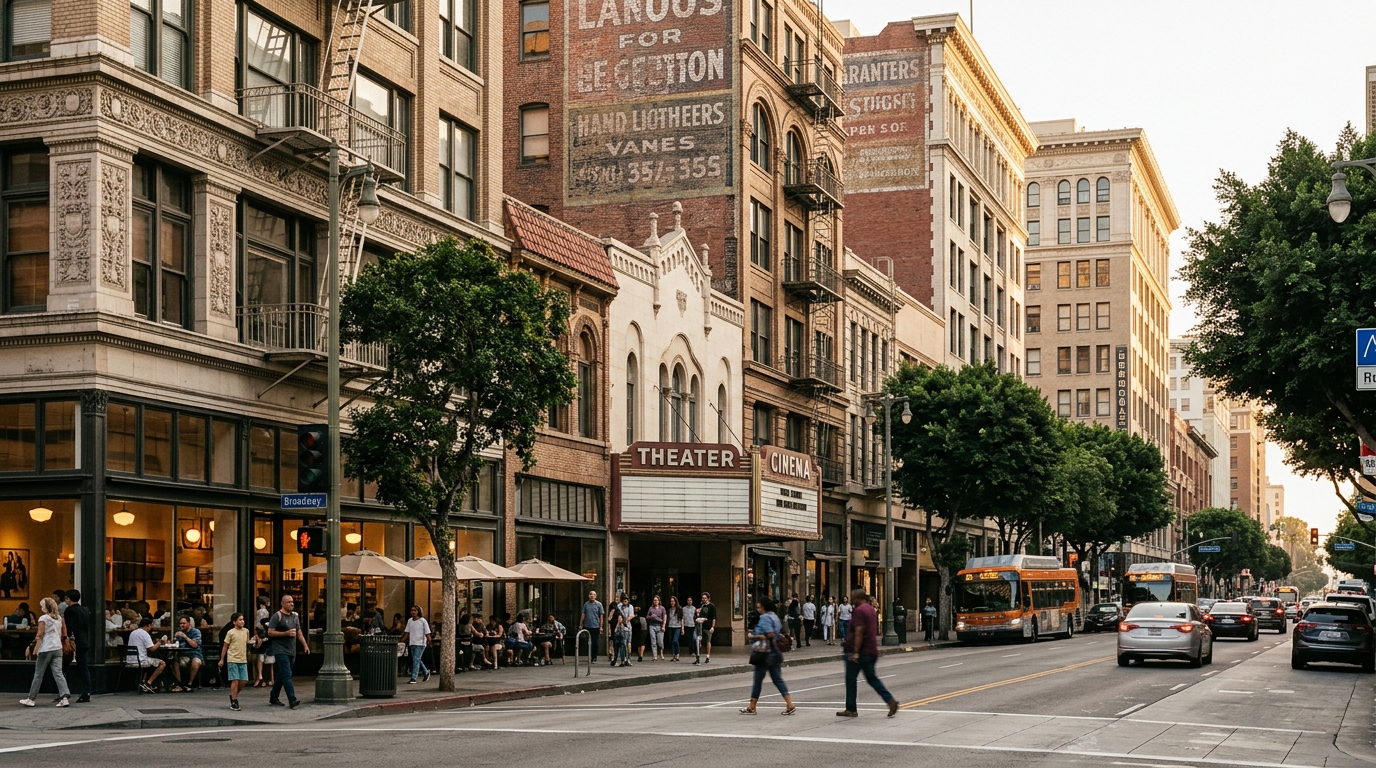
The program is beginning in the Historic Core. This part of downtown has some of the city’s best-known older commercial buildings, theaters, former offices, and ground-floor retail spaces.
It also has a mix of active businesses and long-empty storefronts. That makes the area a useful test for a program built around street-level activity.
The first announced lease is for a new art gallery from artist Charlie Alston. The space had been closed for about a decade. One opening will not transform the whole district, but it gives the program a visible starting point.
The Historic Core already has strong reasons to visit. Broadway’s theater buildings, nearby food halls, Metro access, and older architecture draw residents and visitors. More active storefronts could give people extra reasons to stay on the street between major destinations.
Our Metro-based DTLA walking route already passes through Historic Broadway. New storefronts could make that kind of walk more useful over time.
What More Active Storefronts Could Mean for Everyday DTLA
Street-level businesses do more than sell products. They can add lights, staff, customers, deliveries, and regular activity to a block.
That activity can help a street feel less empty. It can also give nearby residents practical services within walking distance. A neighborhood needs more than destination restaurants and major events. People also need coffee, groceries, personal services, art spaces, repair shops, and other daily businesses.
Still, new storefronts are only one part of downtown recovery. Clean sidewalks, working streetlights, safe crossings, reliable transit, housing, public spaces, and consistent public safety all affect whether a business can succeed.
More Foot Traffic Helps Only If People Have Reasons to Return
A grand opening can create a crowd for one day. Long-term value comes from repeat visits.
That means the program should be judged by more than the number of leases it signs. A stronger measure is how many businesses remain active after support ends.
Useful storefronts can also support nearby businesses. Someone who visits a gallery may buy lunch on the same block. A resident picking up coffee may stop at another shop. These small trips can add up when several spaces become active at the same time.
Good hours matter as well. A block with businesses that close early may still feel inactive at night. On the other hand, not every storefront needs late hours. The best mix serves different needs across the day.
Our DTLA adaptive reuse guide explains how older commercial buildings can gain new life through housing. Vacant to Vibrant focuses on a different part of the same issue: what happens at street level after people move into or visit those buildings.
What to Watch as Vacant to Vibrant Expands Across Downtown
The first phase is only the beginning. City leaders have described the Historic Core launch as a step toward a wider program.
That makes the next year important. Residents should watch where new businesses open, how long the process takes, and whether the spaces remain active after the first lease period.
Business type will matter too. A healthy downtown needs a mix of restaurants, services, retail, arts, and community uses. Filling every space with the same kind of concept would not solve the larger problem.
How to Judge Whether the Program Creates Lasting Change
The strongest sign of success will be businesses that survive beyond the supported launch period. A short-term opening has value, but a stable tenant adds more to the block over time.
Another useful measure is whether the program reaches several parts of downtown. The Historic Core is the first focus, but vacancy affects more than one district.
Finally, look at the street around each opening. A new tenant can help, but poor lighting, broken sidewalks, trash, or difficult crossings can still reduce foot traffic.
Signs That a Storefront Activation Is Working
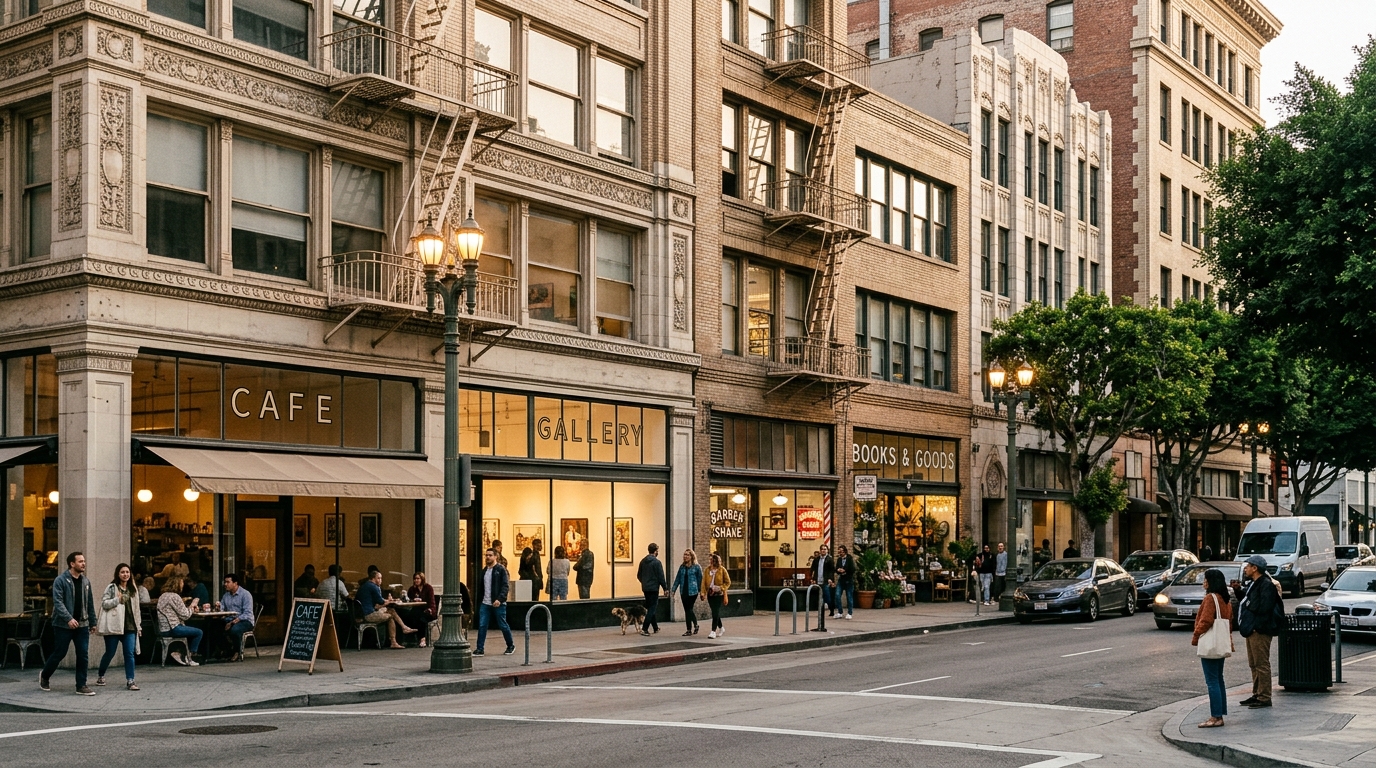
Look for simple signs. Is the business open on the hours it advertises? Do people return after opening week? Does the storefront add useful activity to the block? Are nearby businesses seeing more customers?
It is also worth watching whether the owner can move from temporary support to a stable lease. That shift will show whether the program is creating lasting businesses rather than short pop-ups.
Visitors can support the effort in a direct way. If a new shop fits your needs, spend money there. Share accurate information about its hours. Pair the stop with another nearby local business instead of leaving the neighborhood after one purchase.
Our DTLA Weekend Guide can help readers group food, events, and neighborhood stops into one realistic route. That kind of planning is especially useful when new storefronts begin to appear.
The DTLA Vacant to Vibrant 2026 program will not fix every challenge facing Downtown Los Angeles. It does address one problem that people can see from the sidewalk: too many empty ground-floor spaces.
The program gives property owners a way to offer space. It gives small businesses a lower-cost path to test a downtown location. It also provides help during the difficult period before opening day.
The Historic Core is now the first test. If new businesses can attract repeat customers and remain open after support ends, the model could become more useful across DTLA.
For residents, the best approach is to watch the results block by block. Support businesses that add something useful. Keep expectations realistic. One storefront will not change downtown, but several successful openings on the same corridor can start to change how a street feels and functions.
For official program details, current applications, and eligibility information, review the Vacant to Vibrant program information before applying or making business decisions.